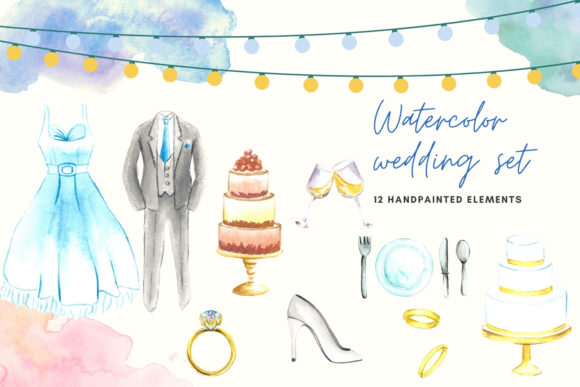
Watercolor Wedding Invitation Elements: A Touch of Artistry
There’s something undeniably special about receiving a wedding invitation that feels personal, almost like holding a piece of the couple’s story in your hands. In a world saturated with digital perfection, the organic, soft textures of watercolor art bring a warmth and authenticity that’s hard to replicate. This is where thoughtfully crafted design assets, like a curated set of watercolor wedding invitation elements, become invaluable. They bridge the gap between mass-produced and handmade, offering designers and creators a versatile toolkit to build something truly beautiful and emotionally resonant.
Beyond the Wedding Suite: Versatile Applications for Every Creator
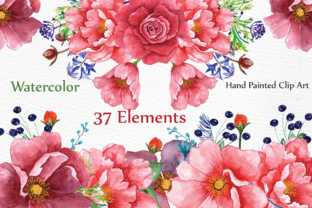
While the name suggests a specific use, the true power of a collection like this lies in its incredible adaptability. The 12 hand-painted watercolor illustrations are not just for assembling a wedding invitation suite. Think of them as foundational design assets for a wide array of projects. For a boutique brand, these elements can soften a logo, add a delicate touch to packaging design, or create unique social media graphics that stand out in a feed. A blogger can use them to frame photos, design header images, or create printable art for their audience. The soft, fluid nature of watercolor art communicates elegance, creativity, and a human touch—qualities that resonate across industries.
Consider the practical workflow benefits. Instead of commissioning custom artwork for each project, you have a cohesive set of premium graphics at your disposal. This ensures visual consistency across different applications, from a website banner to a thank-you card. The key is to see them not as single-use items, but as part of your broader design system. Pairing these elements with a clean sans-serif font can create a modern, approachable brand identity, while combining them with a classic serif typeface can evoke a sense of timeless sophistication. The illustrations do the heavy lifting of adding personality, allowing your typography choices to focus on clarity and readability.
Practical Integration: From Digital Designs to Physical Prints
Integrating these watercolor elements effectively requires a bit of strategy. For digital projects like web design or social media graphics, use them as accent pieces. A subtle floral border can frame a quote, or a soft wash of color can highlight a call-to-action button without overwhelming the layout. When used in editorial design, they can serve as beautiful chapter dividers or background textures for text overlays, adding depth without sacrificing legibility.
The transition to print is where their charm truly shines. For packaging design, a watercolor illustration can make a product label feel artisanal and premium. In marketing materials like posters or flyers, they can create a focal point that draws the eye. The provided files are designed to be high-quality, ensuring your prints are crisp and the colors remain true. A crucial tip for designers is to always check the commercial licensing of any asset. Knowing the usage rights upfront—whether for client work, merchandise, or digital products—saves headaches later and ensures your professional presentation is always above board. This particular set, born from a personal artistic process, comes with the clarity needed for commercial use, which is a significant advantage.
Harmonizing Elements: Building a Cohesive Visual Language
The real magic happens when you start combining these watercolor wedding invitation elements with the right typography. Choosing a font isn’t just about what looks pretty; it’s about matching the personality of the art. A whimsical script font might pair beautifully with a delicate floral illustration for a romantic feel. For a more contemporary look, a geometric sans-serif can provide a clean counterpoint to the organic shapes of the watercolor. The goal is to create a dialogue between the elements, where each enhances the other without competing.
Always test your font pairings in context. How does the text look when placed over a watercolor wash? Is the contrast sufficient for easy reading? Does the overall composition feel balanced? This iterative process of testing is what separates good design from great design. It’s about achieving that perfect harmony where the art supports the message, and the typography delivers it with clarity. This collection, with its consistent hand-painted aesthetic, provides a reliable foundation upon which to build that harmonious visual language, whether you’re crafting a single invitation or an entire brand identity.