Watercolor Flowers Clipart: Autumn & Teal Wedding Inspiration
There’s a moment in every design project when you realize you need more than just a graphic—you need a feeling. Maybe you’re a wedding planner putting together mood boards for a fall ceremony, or a small business owner refreshing your brand’s seasonal packaging. You want something that feels handmade, organic, and emotionally resonant. That’s where thoughtfully crafted watercolor clipart steps in, offering a bridge between digital convenience and artistic authenticity.
Why Hand-Painted Elements Make All the Difference
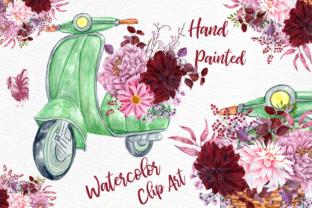
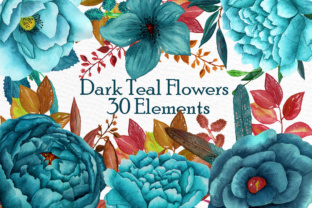
In a world saturated with overly polished vector graphics and sterile stock images, hand-painted watercolor textures bring a breath of fresh air. Each petal, leaf, and brushstroke carries the subtle imperfections and fluidity of real artistry. This collection of Watercolor Clipart: Autumn Flowers & Teal Flowers isn’t just a set of digital stickers—it’s a toolkit of original, hand-painted elements saved in high-resolution PNG format at 300 DPI. The sizing, approximately 6 to 10 inches, means they’re versatile enough for both digital screens and print projects without losing detail.
What makes these particular florals stand out is the thoughtful color palette. The blend of warm autumn tones—think burnt oranges, deep reds, and golden yellows—with unexpected pops of teal creates a sophisticated contrast. This isn’t your typical fall harvest palette. The teal introduces a modern, slightly whimsical edge that works beautifully for contemporary weddings, boutique branding, or editorial layouts that want to feel seasonal yet fresh.
Practical Applications for Designers and Entrepreneurs
Let’s talk about how you can actually use these assets. If you’re a wedding stationer, imagine creating invitation suites where the watercolor florals frame the text, setting a romantic yet modern tone for a fall wedding. For small business owners in the handmade or boutique space, these elements can elevate your product packaging. A teal watercolor bloom on a kraft paper label instantly communicates artisanal quality and attention to detail.
Content creators and bloggers will find endless uses for social media graphics. Instead of using the same tired stock photos, you can build custom quote cards, Instagram story templates, or Pinterest pins that feel cohesive and branded. The high resolution ensures they look crisp whether you’re designing for a phone screen or a printed poster.
Consider these real-world scenarios:
- Logo Design: Use a single, elegant floral element as an accent mark to give your brand identity a soft, organic touch.
- Website Design: Incorporate watercolor clusters as header backgrounds or section dividers to break up text and guide the reader’s eye.
- Merchandise: Apply the florals to tote bags, mugs, or notebooks for a cohesive product line that tells a visual story.
- Editorial Layouts: Magazine spreads or e-book covers gain depth and texture when layered with authentic watercolor elements.
The key is thinking beyond decoration. These assets should serve a purpose—whether that’s reinforcing your brand’s aesthetic, improving visual hierarchy, or simply making your audience stop scrolling and pay attention.
Building Visual Consistency and Brand Recognition
One of the biggest challenges in branding is maintaining a consistent look across multiple platforms. When you use a cohesive set of design assets like this watercolor collection, you create a visual language that your audience begins to associate with your brand. The specific teal and autumn flower combination becomes part of your signature style.
This consistency does more than just look pretty—it builds brand recognition. When someone sees that particular shade of teal paired with warm, painterly florals on a Instagram post, then on your website, and later on your product packaging, they start to remember you. It’s a subtle but powerful form of marketing that works because it’s rooted in authentic visual appeal rather than aggressive promotion.
From a practical standpoint, having a library of matching elements saves you time. Instead of hunting for graphics that “kind of” go together for each new project, you have a ready-made suite that ensures everything coordinates. This is especially valuable for solopreneurs and small teams who need to produce professional-looking materials efficiently.
Tips for Effective Use and Pairing
To get the most out of any design asset, a little strategy goes a long way. Here’s how to integrate these watercolor florals effectively:
Consider your typography. Watercolor elements have a soft, organic feel, so they pair best with typefaces that complement rather than compete. A clean sans serif font offers a modern contrast, while a serif font can create a more classic, elegant look. If you want to emphasize the handwritten quality, a subtle script font can work, but use it sparingly for legibility—especially in body text.
Think about context and scale. A single bloom might be perfect for a favicon or a small logo accent, while a full floral arrangement can anchor a poster or website hero section. Because these elements are sized between 6 and 10 inches, you have flexibility, but always consider how they’ll look in their final environment.
Mind the background. Watercolor art often looks best on clean, simple backgrounds—white, cream, or very light gray. If you’re placing them over photography or complex textures, consider adding a semi-transparent overlay or a subtle drop shadow to ensure the details remain visible.
Check your commercial licensing. Before using any design asset in client work or commercial products, always review the license terms. This collection is designed for creative use, but understanding what’s permitted—like whether you can use it in end products for sale—protects you and your clients.
Final Thoughts on Choosing Your Design Toolkit
Ultimately, the design assets you choose should feel like an extension of your creative vision. This particular set of watercolor flowers offers something specific: a blend of seasonal warmth and cool sophistication that’s hard to find in generic clipart collections. Because they’re hand-painted, they carry a human touch that resonates emotionally—something that’s increasingly valuable in our digitally mediated world.
Whether you’re designing a wedding invitation that needs to feel personal and celebratory, or building a brand identity for a lifestyle business that values authenticity and beauty, having the right elements at your fingertips makes the creative process smoother and the results more impactful. It’s not just about making things look nice; it’s about communicating a feeling, telling a story, and creating something that truly connects with your audience.