Timeless Elegance: Designing with Turkish Wedding Motifs
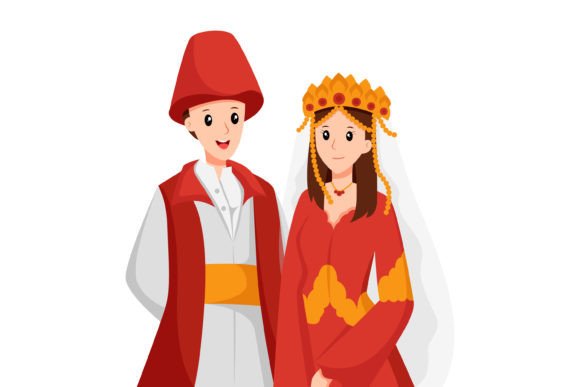
Imagine the vibrant clash of cymbals, the intricate swirls of henna, and the rich, jewel-toned fabrics that define a celebration in Turkey. This isn't just a party; it's a visual language steeped in history, and it's a goldmine for designers seeking authenticity. The "Turkey Traditional Wedding and Turkey Traditional Wedding Character Design Illustration" collection captures this essence perfectly. As a fully vector set, it offers more than just pretty pictures; it provides a versatile toolkit for anyone looking to inject cultural depth and artistic flair into their projects. Whether you're a brand strategist aiming to tell a richer story or a small business owner crafting a unique product line, understanding how to leverage these assets can transform your work from generic to genuinely compelling.
A Visual Feast: What Makes These Illustrations Stand Out
At its core, this collection is a celebration of Turkish wedding iconography, rendered in clean, scalable vector art. You're not dealing with blurry JPEGs or raster images that fall apart when scaled. Every element, from the elaborate floral patterns reminiscent of Iznik tiles to the stylized figures in traditional attire, is built with editable shapes and colors. This means the deep blues, vibrant reds, and shimmering golds typical of such celebrations can be adjusted to fit any brand palette. The characters themselves are designed with a blend of cultural accuracy and artistic stylization, making them recognizable without being overly literal. This balance is crucial—it allows the art to feel both authentic and contemporary, a combination that resonates across diverse audiences.
From Concept to Canvas: Practical Applications for Modern Creators
So, you have these beautiful, editable vectors. Now what? The real value lies in their application. For entrepreneurs in the food industry, imagine using these motifs on packaging for artisanal goods—think olive oil, spices, or Turkish delight. The illustrations instantly communicate heritage and quality. A wedding planner or stationer could build an entire suite of materials around them, from Save-the-Date cards to day-of signage, creating a cohesive and unforgettable aesthetic. Digital creators and bloggers can use the characters and patterns as hero images, social media graphics, or even as the basis for a unique infographic about cultural traditions. The possibilities extend to merchandise as well; a simple line-art version of a motif could make a stunning print on tote bags or ceramic mugs, appealing to a market hungry for culturally inspired design.
Building a Cohesive Brand Identity
Consistency is the backbone of brand recognition. When you integrate a specific design language, like the one found in this Turkish wedding collection, across all touchpoints, you create a memorable visual signature. A small business selling handmade jewelry could use a simplified version of the floral patterns as a website background, a social media icon, and a watermark on product photos. This repetition builds familiarity. The vector format is your best friend here, ensuring that whether the graphic is on a business card or a billboard, its integrity remains flawless. It’s about creating a world around your product or service, and these assets provide the foundational bricks and mortar for that world.
Enhancing Engagement and Readability
Visual storytelling does more than decorate; it communicates. A well-placed illustration can break up dense text on a blog, guide the viewer's eye on a poster, or evoke a specific emotion that words alone might struggle to convey. For a travel agency promoting cultural tours, using these character designs in marketing materials can instantly transport the viewer, sparking imagination and desire. The key is to use them intentionally. Don't just scatter them randomly. Use a character illustration as a focal point in a social media post to draw attention, or employ a border pattern to frame a menu or a certificate, adding a layer of perceived value and professionalism. This thoughtful application enhances the user experience, making your content not only more beautiful but also more effective.
Making It Your Own: A Practical Guide for Designers and Entrepreneurs
Having the assets is one thing; using them skillfully is another. Here’s some actionable advice for integrating this style into your work. First, consider your project's tone. The ornate nature of traditional Turkish design can feel luxurious, celebratory, and historic. It’s perfect for projects related to weddings, gourmet food, high-end crafts, cultural education, or boutique hospitality. It might be less suitable for a minimalist tech startup, but even there, a single, carefully chosen element could serve as a striking accent.
Second, pair thoughtfully. If you're combining these illustrations with typography, choose a font that complements without competing. A clean, modern sans-serif can provide a beautiful contrast, letting the intricate illustrations shine. A elegant serif font can echo the traditional feel. Avoid overly decorative fonts that would create visual clutter. Test your pairings at the size they'll be viewed—what looks balanced on a large screen may become illegible on a mobile device.
Finally, respect the culture. While the art is stylized, it's rooted in real traditions. If you're using it to represent a culture that isn't your own, do your research. Ensure the motifs are used in a respectful context. This isn't about restriction; it's about creating work that is both beautiful and meaningful, which ultimately strengthens your brand's authenticity and connection with your audience.