The Enduring Charm of Vintage Mail for Wedding Invitations
There's something undeniably special about receiving a piece of mail that feels like it's traveled through time. The weight of the paper, the elegant script, the subtle texture of a vintage envelope—these details tell a story before a single word is read. In a world saturated with digital notifications, a wedding party invitation crafted in the vintage mail style offers a tangible, romantic, and deeply personal touch. This aesthetic isn't just about looking old; it's about evoking a sense of timeless elegance, handwritten sincerity, and cherished tradition. For designers and couples alike, understanding this style opens up a world of creative possibilities that blend nostalgia with modern sophistication.
Deconstructing the Aesthetic: More Than Just an Old Font
The visual appeal of a vintage mail-inspired invitation is a carefully composed symphony of elements. It starts with typography. Think of classic serif fonts with their graceful, thin strokes and decorative details, or elegant script fonts that mimic the fluid motion of a calligrapher's pen. These typefaces aren't just legible; they carry personality. Paired with the right design elements, they become the voice of the invitation.
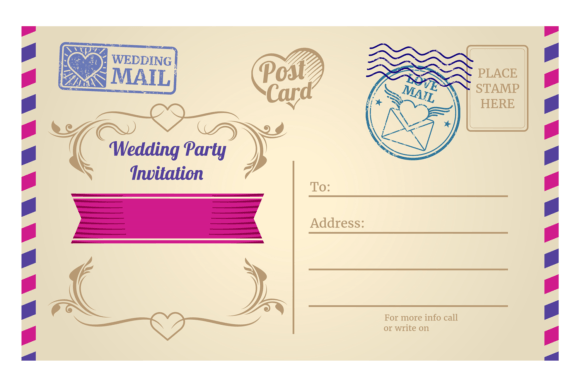
The "envelope design isolated on white background" is a key component. This format is incredibly versatile. It allows the intricate details of the design—a faux wax seal, delicate floral borders, aged paper textures, or intricate corner flourishes—to stand out crisply. Whether used as a full background or a subtle accent, this isolated graphic becomes a powerful design asset. It can be incorporated into a logo, used as a framing element on a website, or become the central motif of a complete brand identity for a wedding planner or stationery business.
Practical Applications for the Modern Creative Professional
While the immediate use is clear, the true value of this style lies in its adaptability across various projects. As a premium font and design style, it serves far more than just the wedding niche. Let's explore how you can leverage this aesthetic.
- Branding & Logo Design: For businesses that want to communicate heritage, craftsmanship, or personalized service—think bakeries, boutique hotels, artisanal goods, or event planners—this style offers instant character. A logo incorporating a vintage mail motif feels established and trustworthy.
- Packaging & Merchandise: Product packaging is a silent salesperson. Using this design language on labels, boxes, or tags can elevate a simple item into a giftable experience. It tells the customer there's a story and care behind the product.
- Editorial & Web Design: Blogs, magazines, and websites focused on lifestyle, history, or romance can use these typographic elements for headings and pull quotes. It adds a layer of visual depth and breaks the monotony of standard web fonts, improving audience engagement.
- Social Media & Digital Marketing: In a fast-scrolling feed, a beautifully crafted graphic with vintage typographic details can stop the thumb. Use it for quote cards, announcement graphics, or promotional materials to build a consistent and recognizable visual style across platforms.
- Print Materials & Invitations: Beyond weddings, this style is perfect for milestone birthday parties, anniversary celebrations, or formal event invitations. The readability of well-chosen vintage-inspired fonts ensures the critical details are communicated clearly, while the style sets the perfect mood.
Making It Work: Font Selection and Pairing Strategies
Choosing the right typeface is crucial. You're not just picking letters; you're selecting a personality. A heavy, ornate display font might be perfect for a headline but disastrous for body text. For a vintage mail project, you often need a family with multiple weights and styles.
Look for a creative font package that includes:
- A strong, decorative serif or script for main headings.
- A complementary, highly readable serif or sans serif font for body copy and essential information.
- Perhaps a set of ornaments or dingbats that match the aesthetic for flourishes and seals.
The art of font pairing is where design magic happens. A common and effective strategy is to contrast a detailed script with a clean, simple sans serif. This creates a visual hierarchy that guides the eye. For example, a flowing script for the couple's names paired with a minimalist sans serif for the date, time, and location ensures both beauty and clarity. Always test your pairings at the actual size they'll be used. What looks elegant on a large screen might become an unreadable blur on a mobile device or a small printed card.
Beyond the Aesthetics: Licensing and Long-Term Value
When sourcing these design assets, especially for commercial projects, the license is as important as the design itself. A "free for personal use" font is not suitable for a client's wedding invitation suite you're selling, a product you're packaging, or a logo you're designing for a business. Investing in a properly licensed commercial font or design bundle protects you legally and supports the artists who create these tools.
Think of it as a foundational investment. A high-quality, versatile typeface family can become a cornerstone of your design toolkit, used across dozens of projects for years. It contributes directly to visual consistency and professional presentation, which in turn builds brand recognition for your clients or your own business. The vintage mail aesthetic, with its rich details and emotional resonance, offers a way to create designs that feel both timeless and deeply human—a powerful advantage in any crowded market. By focusing on the practical applications and thoughtful execution, you can harness this style to create work that truly connects.